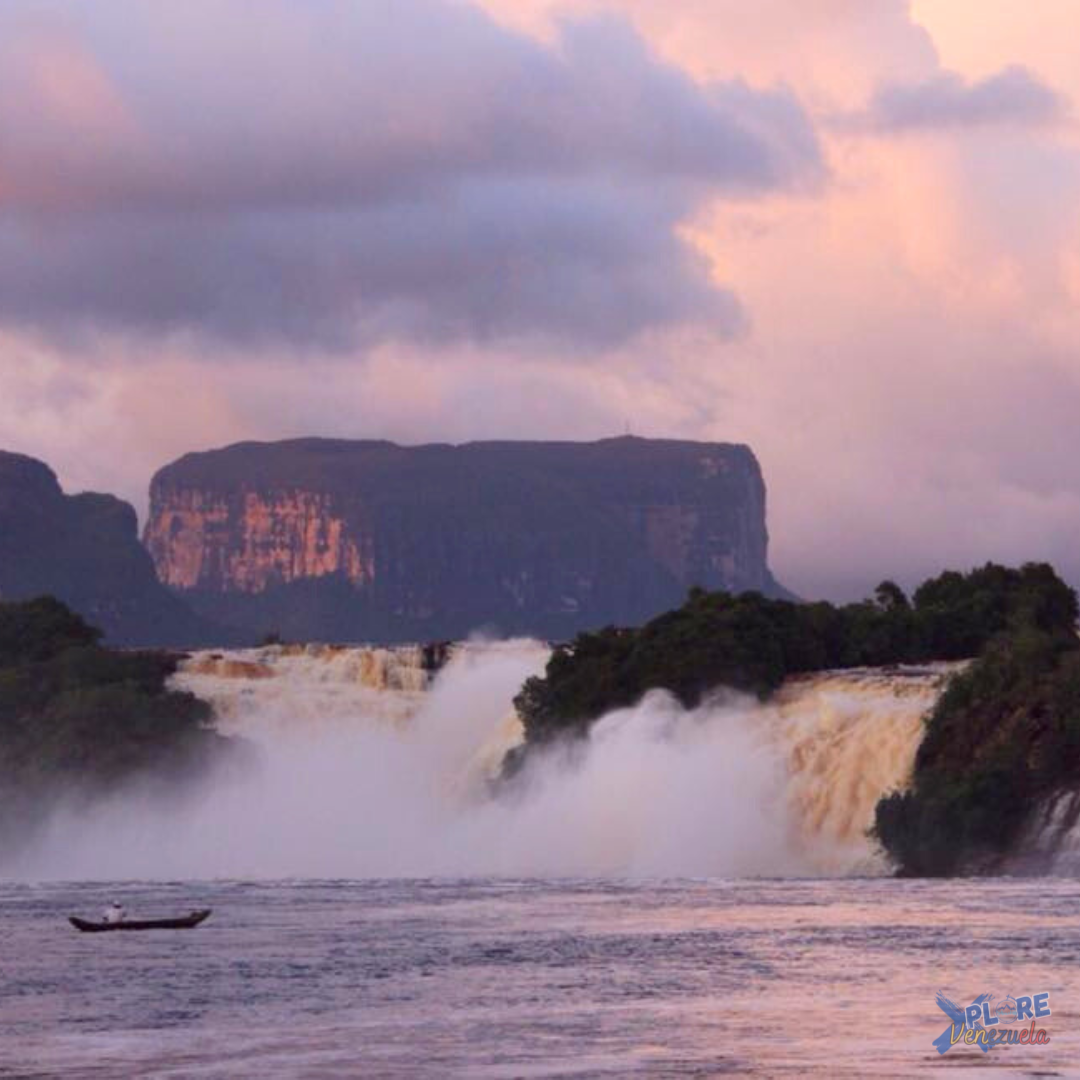
Canaima National Park is one of those places that feels almost unreal. Massive tabletop mountains, endless savannas, jungle rivers, and waterfalls that seem to fall straight from the sky. Located in southeastern Venezuela, in Bolívar state, this national park is one of the largest in the world and easily one of the most breathtaking.
This is the same region where you can explore the Gran Sabana, hike Mount Roraima, and visit Angel Falls the highest uninterrupted waterfall on the planet. But Canaima is much more than just one iconic spot. It’s a vast, diverse landscape shaped by nature, time, and Indigenous culture.
This post is a general guide to help you understand what Canaima National Park is, what areas are part of it, and what makes it so special. We’ll dive deeper into each area in future posts.
Where Is Canaima National Park?
Canaima National Park is located in Bolívar state, in southeastern Venezuela, near the borders with Brazil and Guyana. The park covers more than 30,000 square kilometers, making it one of the largest national parks in the world.
Most travelers reach the park by small aircraft from cities like Ciudad Bolívar or Caracas, especially when visiting remote areas such as Angel Falls or Canaima Lagoon.
What Makes Canaima National Park So Unique?
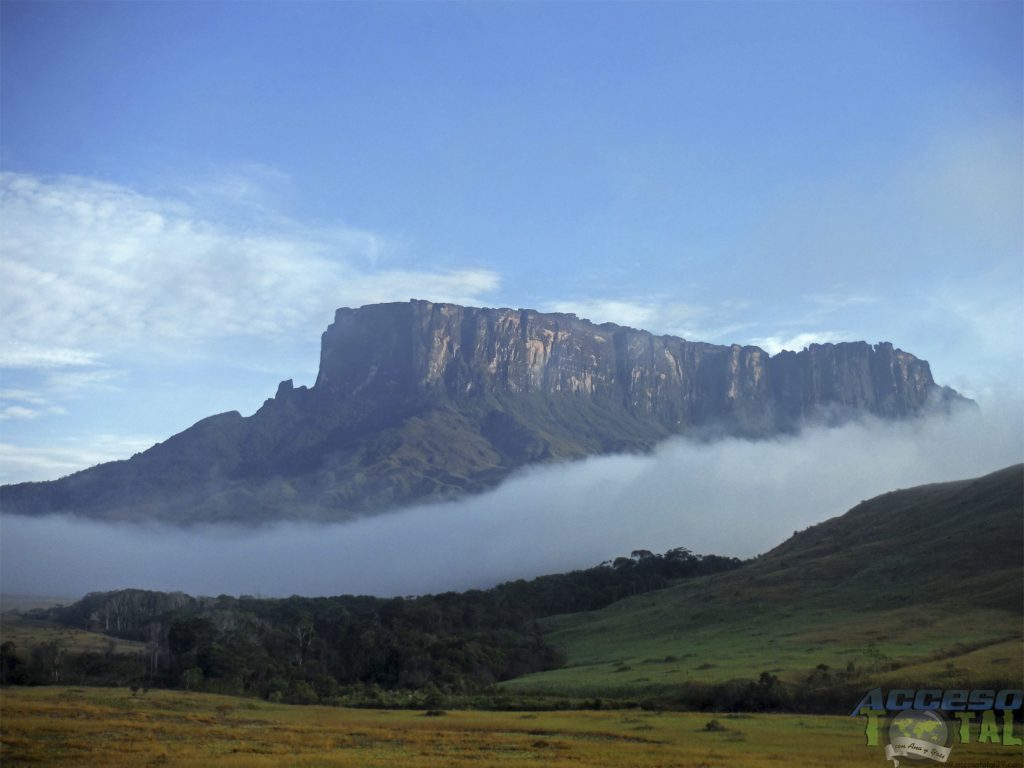
The park is famous for its tepuis, ancient tabletop mountains formed over two billion years ago. These flat-topped giants create dramatic cliffs, waterfalls, and isolated ecosystems found nowhere else on Earth.
Canaima is also home to Indigenous communities, primarily the Pemón people, who have lived in harmony with this land for generations and play an essential role in preserving the park.
Main Areas That Are Part of Canaima National Park
Canaima National Park is huge, and each area offers a completely different experience. These are some of the most well-known and visited regions within the park:
Angel Falls (Salto Ángel)
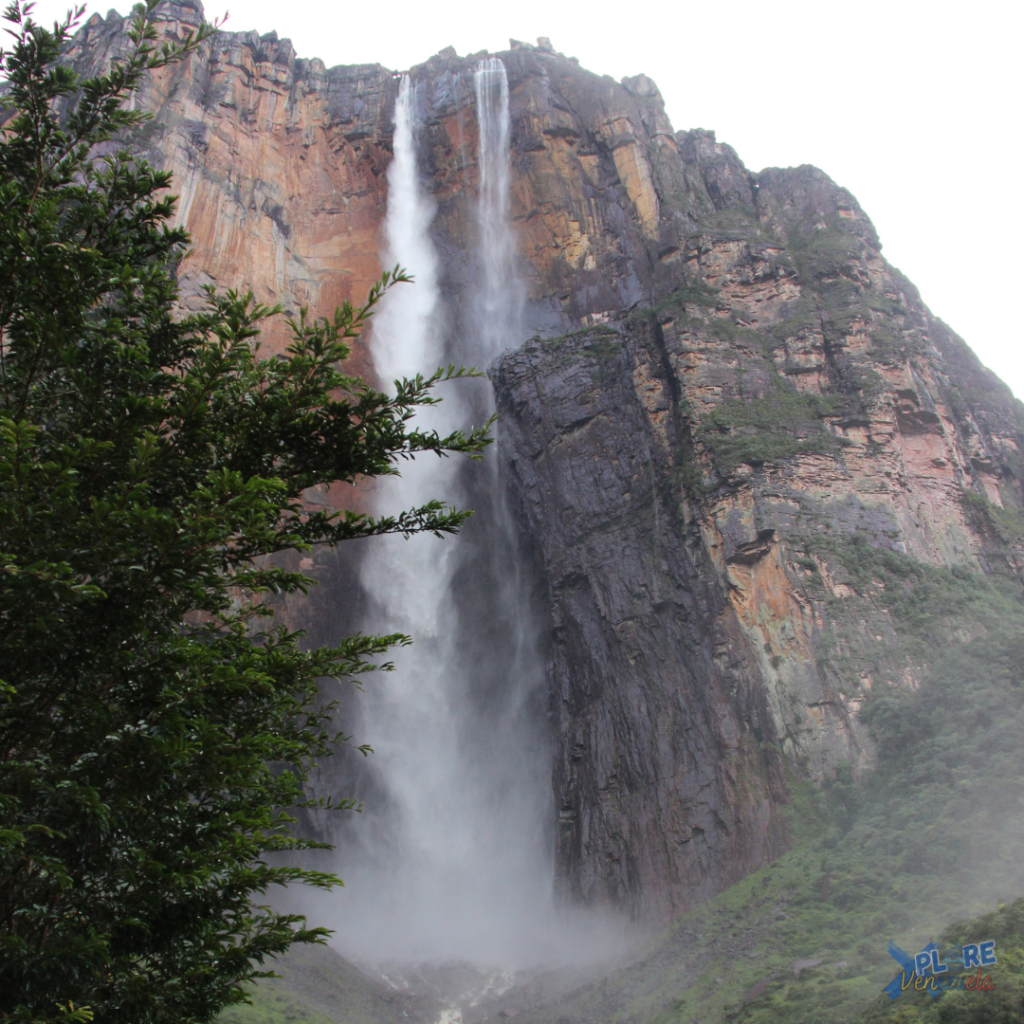
The park’s most famous attraction and the highest waterfall in the world, dropping nearly 1,000 meters from Auyán-tepui. Visiting Angel Falls usually involves a mix of flights, river navigation, and jungle trekking. An unforgettable adventure without a doubt!
Canaima Lagoon
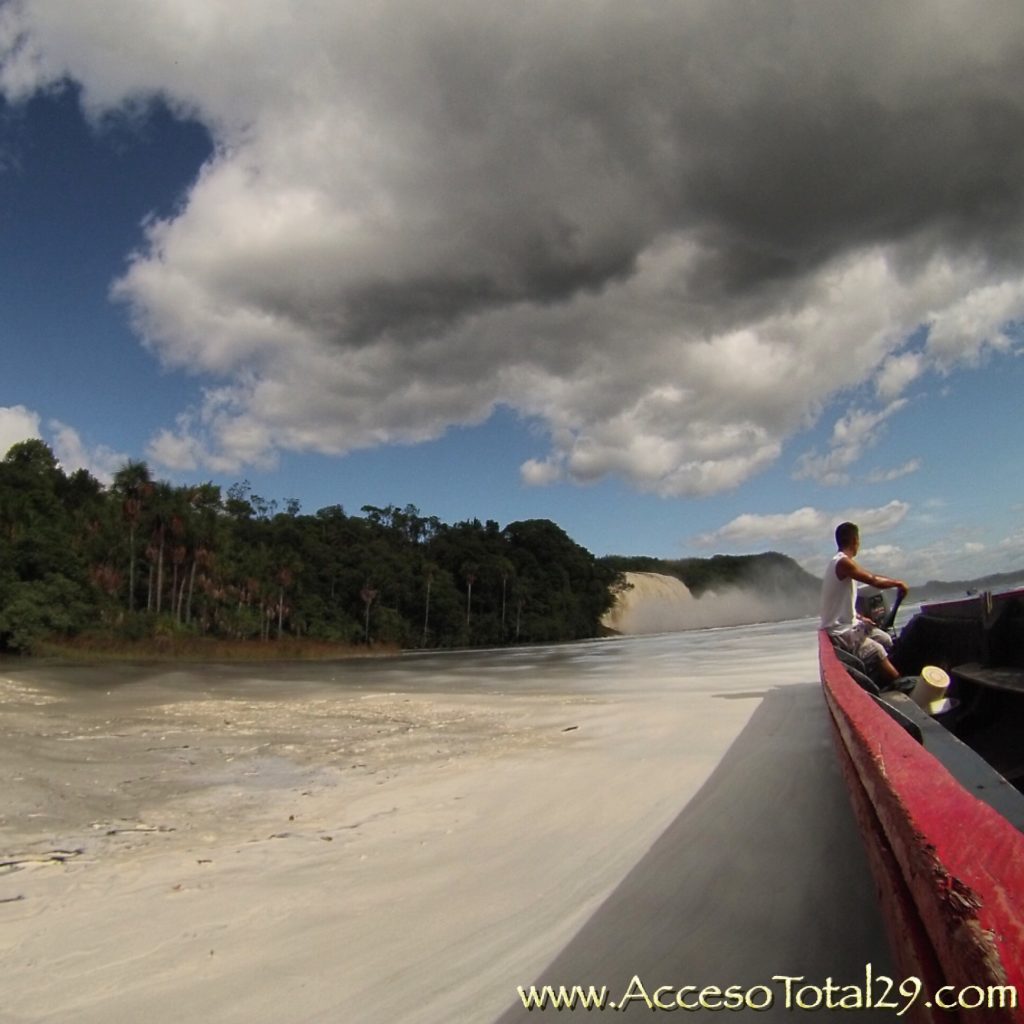
Often the gateway to the park, this area is known for its beautiful lagoon, pink-sand beaches, and nearby waterfalls like Sapo, Sapito, and Hacha Falls, where you can even walk behind the curtain of water.
Gran Sabana
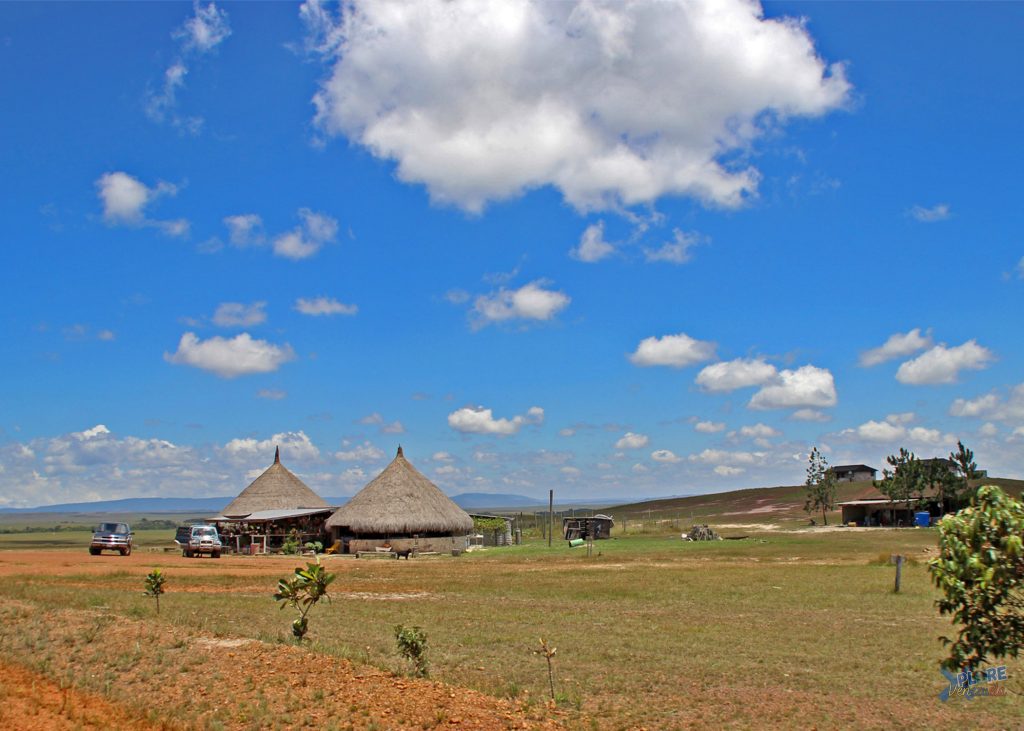
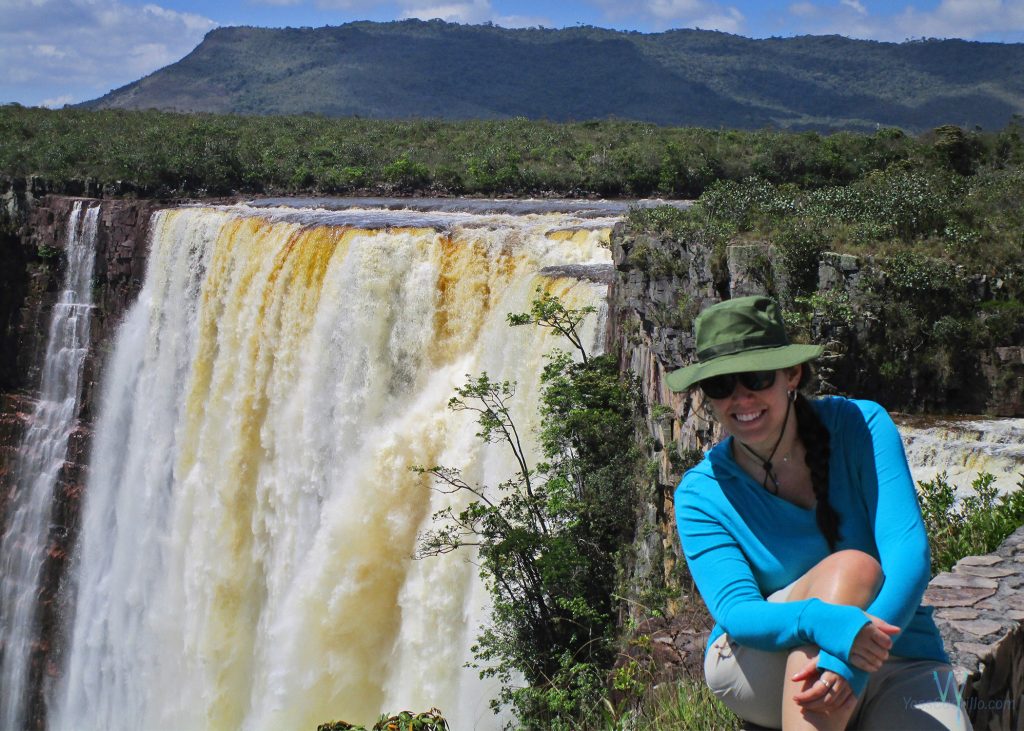
A vast region of open savannas, rivers, waterfalls, and tepuis. This area feels endless and is perfect for road trips, short hikes, and discovering waterfalls like Kama Merú (Salto Kama) and Salto Aponwao.
Mount Roraima
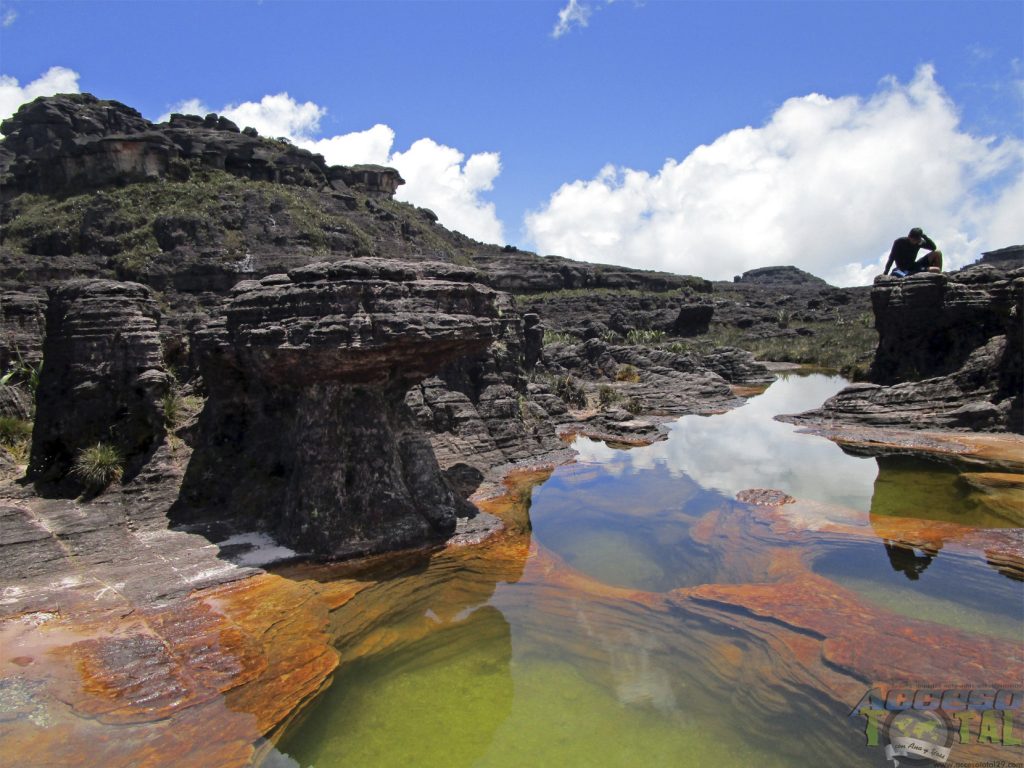
One of the most iconic tepuis in the world and a bucket-list hike for many travelers. Roraima sits at the triple border of Venezuela, Brazil, and Guyana and offers surreal landscapes at the summit.
Auyán-tepui
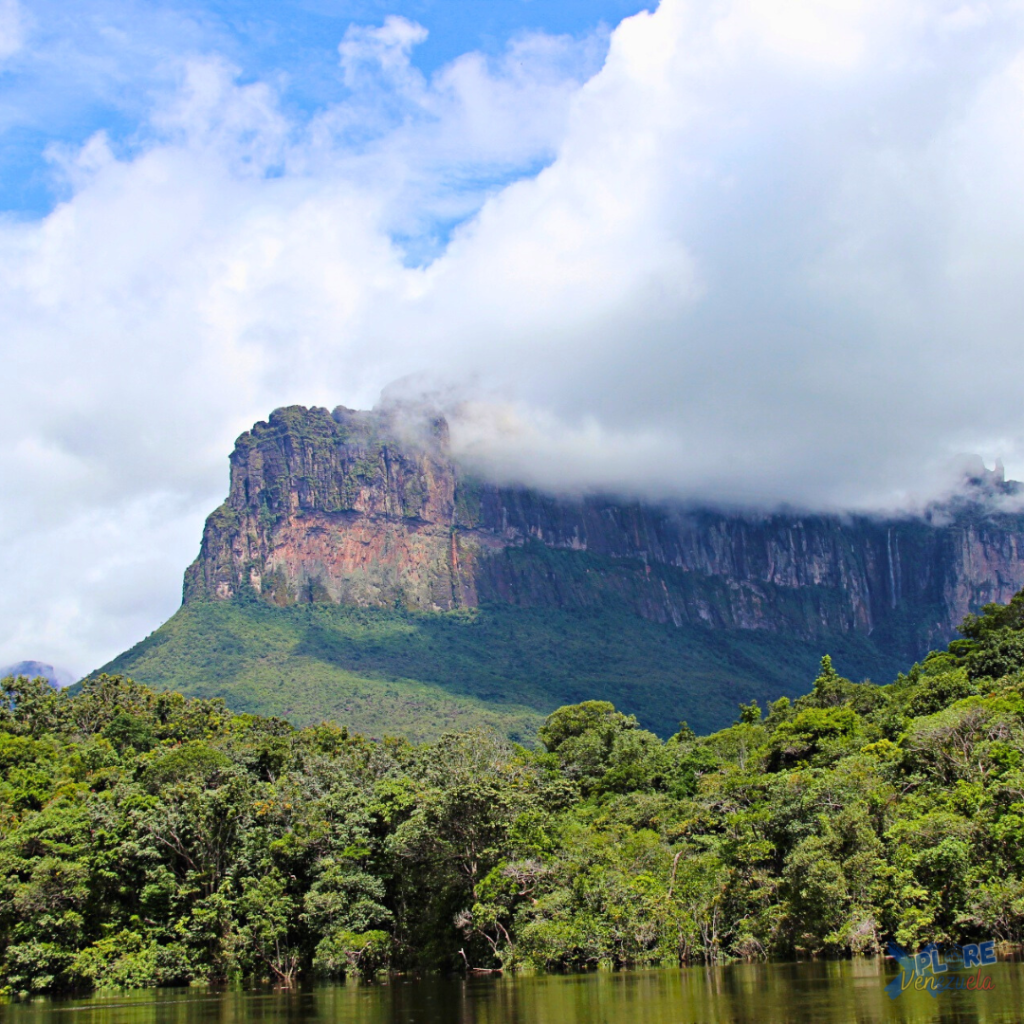
This massive tepui is not only the source of Angel Falls but also an impressive destination on its own, with deep canyons, cliffs, and unexplored areas.
Kavac and Indigenous Villages
Small Pemón communities like Kavac offer cultural experiences, jungle hikes, waterfalls, and natural pools, giving visitors a deeper connection to the people who call this land home.
A Little History and Fun Facts About Canaima National Park
Canaima National Park was officially established in 1962 and declared a UNESCO World Heritage Site in 1994.
The word “Canaima” comes from Indigenous mythology and refers to powerful spirits associated with nature, both protective and dangerous, depending on the story.
Many plant and animal species found in the park exist only in this region, especially on top of the tepuis, where ecosystems evolved in isolation for millions of years.
Because of its size and remote terrain, large areas of Canaima remain largely unexplored to this day.
Best Time to Visit Canaima National Park
The best time to visit depends on what you want to see and do:
Dry season (December to April):
Better weather for hiking, clearer skies, and easier logistics. This is a popular time for visiting the Gran Sabana and Mount Roraima.
Rainy season (May to October):
Waterfalls are at their most dramatic, especially Angel Falls. Rivers are fuller, which makes access by boat possible, though rain can affect schedules. While on the boat that takes us from Canaima to Angel Falls base, it was raining, we were prepare with waterproof jackets, and it was totally fine. If climbing Roraima, wear great hiking shoes with good tread! Also, the guides also suggest (and it really worked for me) to walk with socks when crossing rivers/streams on top of rocks. I’m not an expert, but those little details worked for me.
Many travelers consider June to September ideal for Angel Falls, while December to March works best for trekking and road travel. I’ve been to Gran Sabana area in December and in October. I visited Salto Ángel/Canaima Lagoon in July. Every time I’ve been there has been perfect!
Tips for Visiting Canaima for the First Time
- Plan your trip with a reputable tour operator or local guide, especially for remote areas.
- Be flexible. Weather and logistics can change quickly in this region.
- Pack light but smart: waterproof clothing, sturdy shoes, sun protection, and insect repellent are essentials.
- Respect Indigenous communities, local customs, and park rules — this is protected land.
- Avoid touching plants, animals, or natural formations, especially on tepuis and near waterfalls.
Why Canaima Is a Once-in-a-Lifetime Destination
Canaima National Park is not a place you simply visit, it’s a place you experience. From ancient mountains and powerful waterfalls to open savannas and deep cultural roots, this park showcases Venezuela at its most raw and extraordinary.
This guide is just the beginning. In upcoming posts, we’ll explore Angel Falls, Canaima Lagoon, Gran Sabana, Mount Roraima, and other areas in detail. Sharing with you practical tips, itineraries, and personal experiences.
If Canaima is on your travel list, you’re already dreaming big. Trust us, it’s worth it!