Indigenous Cultures of Venezuela: Venezuela is a country of extraordinary natural beauty and cultural diversity, and among its most profound cultural treasures are the Indigenous peoples whose histories extend thousands of years before European contact. Although they represent a small percentage of the total population, about 2.8 % according to recent estimates, Venezuela’s Indigenous communities are vibrant, diverse, and deeply rooted in their environments and traditions.
Travelers eager to connect with authentic cultures should take time to understand these communities’ lifestyles, beliefs, and worldviews, and that’s exactly why the team at XploreVenezuela.com brings you this article. By learning about local traditions, daily routines, and historical roots, visitors gain deeper insight into the people they meet. This approach not only enriches your travel experience but also fosters mutual respect, meaningful interactions, and genuine cross-cultural understanding that lasts well beyond the journey itself.
A Mosaic of Peoples and Traditions
Venezuela is home to over 50 distinct Indigenous groups, each with its own language, practices, and social structures. These communities inhabit dramatic landscapes—from the sprawling Amazon rainforest in the south to the arid Guajira Peninsula in the northwest, and the Orinoco Delta in the east.
1. Wayuu — The Weavers of the Guajira
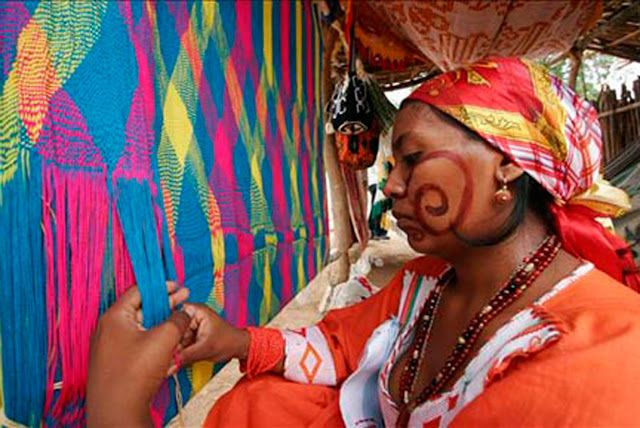
The Wayuu, also known as Guajiros, are one of Venezuela’s most recognized Indigenous groups. Living in the harsh, desert-like conditions of the Guajira Peninsula, they are famed for their vibrant woven textiles known as mochilas—colorful bags that reflect symbols and stories from their culture. Wayuu society emphasizes strong clan structures, and their oral traditions are rich with songs, myths, and narratives passed down through generations.
2. Yanomami — Guardians of the Amazon
Deep in the Amazon rainforest, along Venezuela’s southern borders with Brazil, live the Yanomami. Known for their close connection to nature, traditional lifestyles, and large communal dwellings (shabonos), the Yanomami maintain sustainable hunting and farming practices. Their cosmology, art, and music reflect a powerful spiritual bond with the forest that sustains them.
3. Pemón — Keepers of the Tepuis
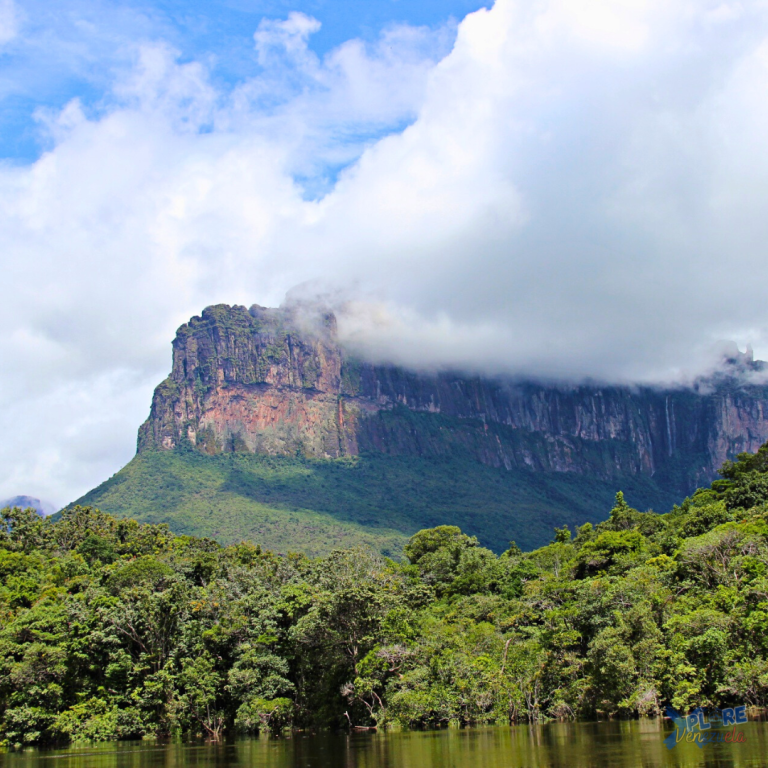
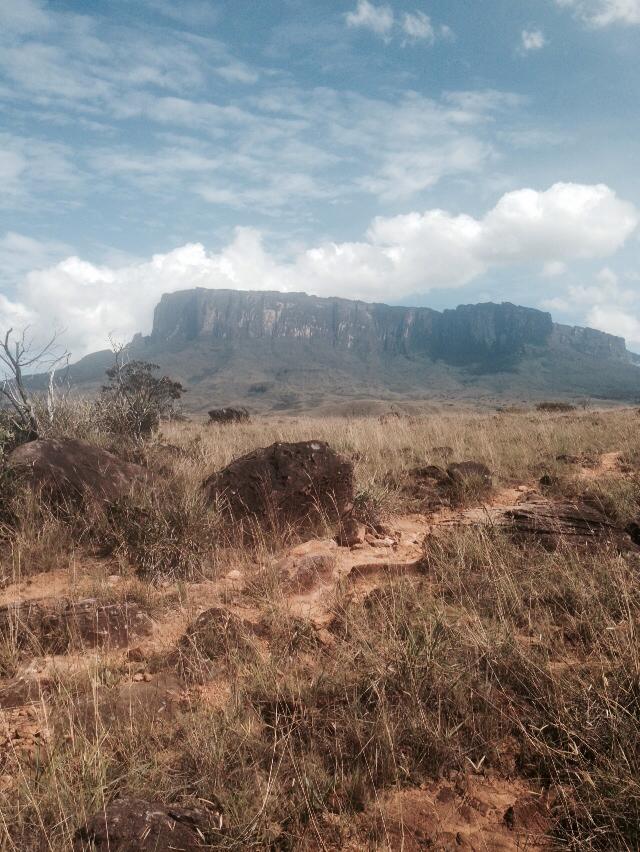
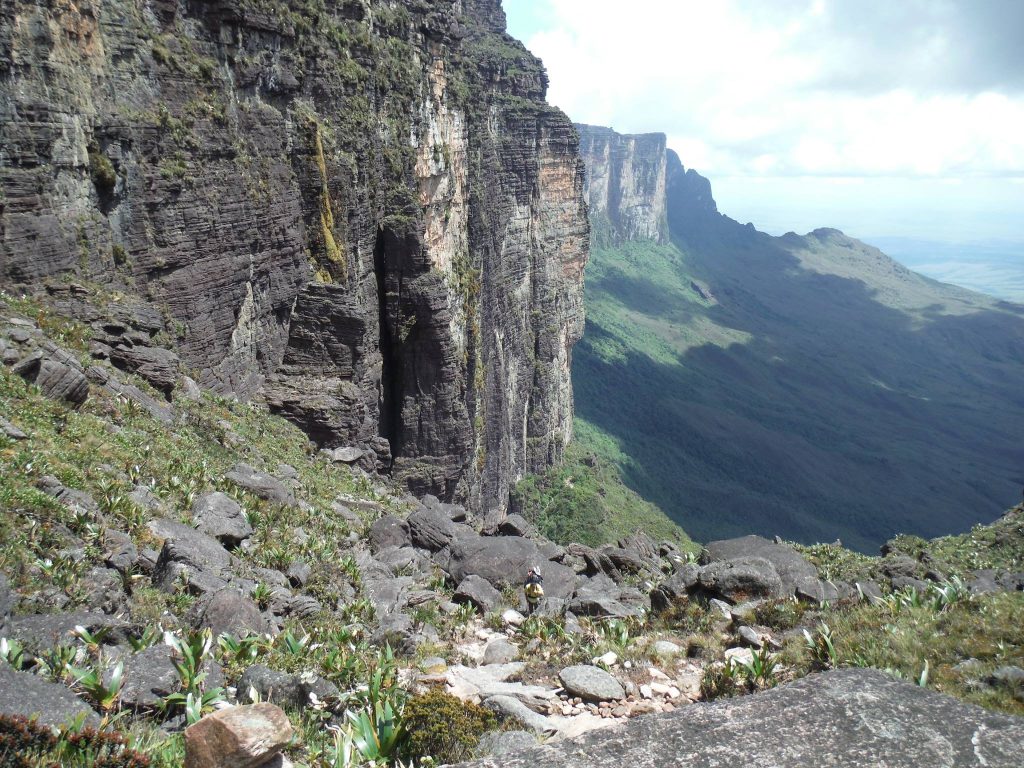
In southeastern Venezuela’s Gran Sabana region, the Pemón people inhabit a world of breathtaking landscapes dominated by table-top mountains called tepuis. For the Pemón, these natural formations are not just geographical features but sacred sites interwoven with myth and spiritual meaning. Local Pemón communities also play active roles in sustainable tourism and are often guides to visitors exploring the tepuis and Canaima National Park.
4. Warao — The Boat People
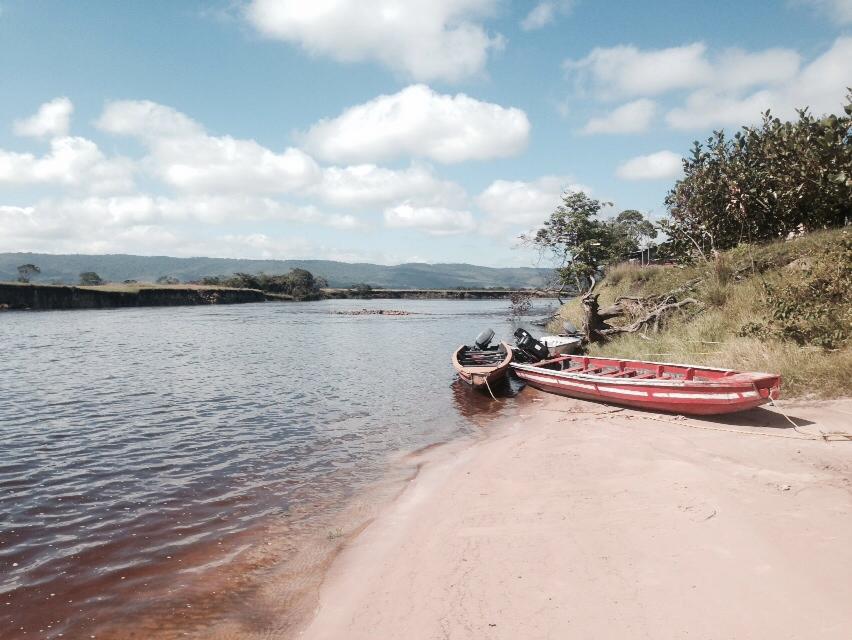
The Warao, whose name translates to “the people of the canoe,” live in the Orinoco River Delta. Their society is deeply connected to the waterways, where they navigate intricate river systems and build traditional palafitos (stilt homes) adapted to seasonal flooding. The Warao’s skills in basketry, fishing, and canoe-making are integral to their cultural identity.
5. Other Indigenous Groups
Beyond these well-known communities, Venezuela is home to countless other peoples such as the Arawak, Carib, Piaroa, Pumé, Yukpa, Bari, and many more. Each has its own unique history, language, and cultural expressions—collectively forming a mosaic that has shaped Venezuelan heritage.
Daily Life, Beliefs, and Artistic Traditions
Indigenous cultures in Venezuela are rooted in a profound connection to nature, ancestral wisdom, and community bonds. Traditional practices prioritize respect for the environment, sustainable use of natural resources, and a worldview that places humans in harmony with the earth.
Art and craftsmanship are vital cultural expressions:
- Weaving & Textiles: Elaborate patterns with symbolic meaning.
- Ceramics & Basketry: Functional and decorative items crafted for daily use and ritual.
- Music & Dance: Rhythmic traditions that accompany celebrations, rituals, and storytelling.
These artistic practices not only celebrate beauty but also preserve history and identity.
Respectful Travel: Tips for Visitors
When engaging with Indigenous cultures in Venezuela, awareness and respect are essential:
1. Ask Before Photographing
Always seek permission before taking photos of people or their communities. Respect for personal space and cultural norms is critical.
2. Learn Basic Etiquette
Even in areas where Spanish is common, learning a few phrases (like por favor and gracias) shows respect and openness.
3. Support Local Artisans
Purchasing crafts directly from Indigenous artisans supports sustainable livelihoods and cultural continuity.
4. Understand Cultural Sensitivities
Different groups have sacred traditions and beliefs. Be mindful not to intrude on ceremonies or spiritual practices without clear invitation or guidance.
Challenges and the Importance of Cultural Preservation
Despite their rich histories and contributions, many Indigenous communities face significant challenges, including threats from environmental degradation. To mention a few of those threats: illegal mining in the Amazon Basin, and displacement from ancestral lands. Protecting these cultures means advocating for sustainable policies, legal recognition of territories, and cultural autonomy.
Exploring the Indigenous cultures of Venezuela offers travelers a deeper, more authentic understanding of the country’s history and cultural richness. From the vibrant textiles of the Wayuu to the forest wisdom of the Yanomami, each community tells a story of resilience, tradition, and living in harmony with nature.
By approaching these experiences with respect, curiosity, and ethical awareness, travelers can not only enrich their journeys but also contribute to the celebration and preservation of Venezuela’s Indigenous heritage. A legacy that deserves both admiration and protection.
Don’t hesitate to ask us for help to create an itinerary that features Indigenous cultural experiences in Venezuela!