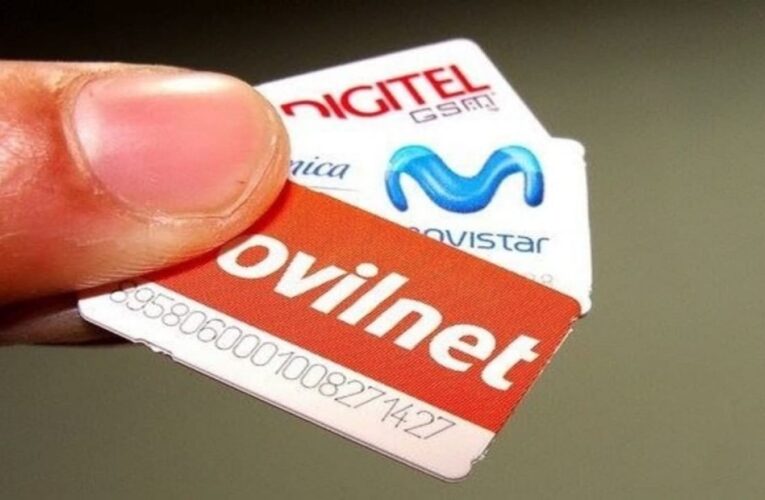
Internet & SIM Cards in Venezuela: Staying connected in Venezuela—whether you’re a traveler, remote worker, or long-term resident—is essential in 2026. From internet access and mobile networks to eSIM solutions and local SIM cards.
This guide, created by the expert travelers at XploreVenezuela.com, covers all the practical information you need for staying connected across Venezuela, including internet access, mobile data, local and international calls, and messaging apps. It also offers up-to-date tips on SIM cards, network coverage, costs, and reliability, helping you avoid surprises and stay connected whether you’re exploring major cities, coastal areas, or more remote destinations.
📌 Quick Overview: Connectivity Landscape in Venezuela
Venezuela’s telecommunications landscape has evolved significantly in recent years. The country’s mobile network infrastructure centers around three major carriers—Movistar, Digitel, and Movilnet—all providing mobile voice and data services using 2G, 3G, 4G, and increasingly 5G technologies.
However, despite network availability in major urban areas like Caracas, Maracaibo, Valencia, and others, coverage and speeds can vary greatly depending on location, especially outside cities.
These are the key connectivity options you can choose from in Venezuela:
✔️ Local prepaid SIM cards
Traditional plastic SIM cards from Venezuelan carriers with prepaid data and voice plans.
✔️ eSIMs (digital SIMs)
Downloadable SIM profiles that can be activated on compatible phones without a physical SIM card.
✔️ International travel SIMs & roaming
Pre-purchased SIMs or roaming plans from outside vendors that connect to Venezuelan networks.

📶 Chapter 1: Local Mobile Networks in Venezuela
❇️ 1.1 Main Carriers
Venezuela’s mobile networks are dominated by three major players:
Movistar Venezuela
- Part of the multinational Telefónica group.
- Offers 2G, 3G, and 4G/5G services and modern features like eSIM support through its official apps.
Digitel
- A leading Venezuelan carrier with widespread 4G LTE coverage.
- Historically the first to launch 4G in Venezuela and with significant urban network presence.
Movilnet
- The largest mobile provider in terms of subscriber base.
- Provides national coverage with 2G–4G and expanding 5G services.
The state telecom company CANTV owns Movilnet, ensuring broad access across both urban and rural areas.
📱 Chapter 2: Prepaid SIM Cards in Venezuela
🆔 2.1 Why Choose a Local SIM
Buying a local SIM card in Venezuela is the most cost-effective way to stay connected with data, calls, and texting—especially for longer stays. Local SIMs typically offer better rates than roaming plans from foreign carriers, and they’re widely available across major cities.
🛒 2.2 Where to Buy SIM Cards
When you arrive in Venezuela, SIM cards can usually be purchased at:
- Airport kiosks
- Carrier official stores (Movistar, Digitel, Movilnet outlets)
- Convenience stores and mobile shops
You’ll need to present your passport or a valid ID for registration due to local regulations.
📶 2.3 Prepaid Plan Types
Local prepaid SIM cards typically come with:
- Data packages (varying GB allowances)
- Voice minutes
- SMS credits
- Combo plans (data + voice + SMS)
Pricing varies, but prepaid SIM kits are generally inexpensive, and you can top up your balance easily through apps, online services, or mobile top-up services (e.g., Ding, Boss Revolution).
💡 Chapter 3: What You Need to Know About Mobile Internet
🌐 3.1 Network Speeds & Coverage
Most urban and tourist areas in Venezuela have 4G LTE coverage, with 5G services expanding in some zones through carriers like Movistar and Movilnet.
Coverage can be spotty in remote or rural regions, so plan expectations accordingly.
📡 3.2 Typical Use Cases
With a local SIM card or eSIM, you can:
- Navigate with Google Maps
- Use WhatsApp, Telegram, and other messaging apps
- Make calls via VoIP apps (internet calling)
- Browse social media, stream music, and more
Note: Many eSIM plans are data only, so traditional voice and SMS may not be supported unless included.
💳 Chapter 4: eSIM for Venezuela
📲 4.1 What Is an eSIM?
An eSIM (embedded SIM) is a digital SIM profile that you can download and install directly on a compatible device—no physical SIM card needed.
This is especially useful if you want to:
- Avoid swapping SIM cards
- Keep your home number active for calls/SMS
- Purchase and install before arrival
- Avoid roaming charges from your home carrier
🛫 4.2 How eSIM Works in Venezuela
Many providers (including international eSIM vendors) offer prepaid data plans for use on Venezuela’s networks such as Movistar, Digitel, and Movilnet.
Typical steps:
- Buy an eSIM online (often by email QR code delivery).
- Check that your device is eSIM-compatible.
- Scan the QR code and install the eSIM.
- Activate it (often upon arrival) and start using data.
🧳 4.3 Benefits of eSIM
✅ No physical SIM card handling
✅ Keep your existing number active
✅ Install before travel
✅ Flexibility with plan sizes and durations
✅ Easy top-ups (in many cases)
📊 4.4 Popular eSIM Providers for Venezuela
Here are some proven options travelers use:
- GoMoWorld — Budget plans starting at very low prices, easy activation, and data-only coverage.
- SimAbove — Simple eSIM setup with data and hotspot support.
- telekonek — eSIM plans from short stays to several months.
- Gigago — Focus on seamless activation and reliable Venezuelan network access.
- MicroEsim/DataLendR/others — Wide range of plans across durations and data amounts.
💡 Tip: Many of these eSIM plans start working immediately upon installation or arrival, so you often get online right away—ideal for travellers.

🛠️ Chapter 5: Compatibility & Activation Tips
📱 5.1 Is My Device Compatible?
Before purchasing an eSIM, check that your phone or tablet supports eSIM (most recent iPhones, Samsung, and Google Pixel models do).
If your device doesn’t support eSIM, a physical SIM card is the alternative.
🔧 5.2 Activation Best Practices
- Install the eSIM before travel, but activate on arrival to maximize usage days.
- Ensure your device is unlocked (no carrier lock).
- If installing a local physical SIM, bring your passport for registration.
- Make sure data roaming is switched off on your primary SIM if you don’t want to incur roaming fees once the eSIM is active.
🧭 Chapter 6: Internet Beyond Mobile Networks
☕ 6.1 Wi-Fi Options in Venezuela
Wi-Fi can be found in:
- Hotels
- Cafés
- Airports (often slower)
- Some public spaces
Wi-Fi speeds and security may vary; using a VPN over public Wi-Fi is often recommended.
📡 6.2 Portable Wi-Fi & MiFi Devices
Some services (like Miowifi) offer portable Wi-Fi hotspots with unlimited daily access for rent, which can be shared across multiple devices.
This is a good option if you’re:
- Traveling with family
- Working remotely and need stable connections
- Staying in places without reliable mobile signal
💡 Chapter 7: Cost, Top-Ups & Billing
💰 7.1 How Much Will You Pay?
Costs vary considerably:
- Local prepaid SIM data and voice plans generally have lower costs than international roaming.
- eSIM plans from travel vendors vary by GB and duration, typically priced per data bucket.
📲 7.2 Topping Up Your Plan
For local SIMs:
- Mobile top-up services (online recharge) let you add balance easily.
- Many carrier apps support top-ups and data purchases in-app.
For eSIMs:
- Most providers let you buy additional data online and extend validity as needed.
📉 7.3 Avoiding Unexpected Charges
- Turn off roaming on your primary SIM once the eSIM or local SIM is active.
- Check your data usage regularly.
- Use Wi-Fi where large downloads are needed.
📍 Chapter 8: Real Traveler & Local Experiences
🗣️ Community Insights
Travelers and locals often share tips on forums like Reddit, which include observations such as:
- Local carriers require registration and authentication when buying SIMs onsite.
- Some users prefer prepaid eSIMs for immediate data access upon arrival.
- Physical SIM activation on arrival may involve providing passport details and sometimes lengthy setup procedures.
These anecdotes underline the importance of preparing your connection plan before travel to avoid loss of time on arrival.
📌 Chapter 9: What About International Roaming?
While some travelers use roaming from home carriers, this is usually much more costly than a local SIM or eSIM plan. Always check your home carrier’s roaming rates before relying on roaming as a backup.
🛫 Chapter 10: Final Tips for Staying Connected
✔️ Download offline maps before traveling.
✔️ Carry an unlocked phone if possible.
✔️ Bring your passport for SIM registration.
✔️ Use reputable eSIM providers and check phone compatibility.
✔️ Consider portable Wi-Fi if traveling with multiple devices.
🧠 Summary: Key Takeaways
| Feature | Best Option |
|---|---|
| Cheapest long-term connectivity | Local prepaid SIM |
| Easy pre-arrival setup | eSIM |
| Best for multiple devices | Portable MiFi |
| Quick setup on arrival | eSIM via QR code |
| Voice plus data | Local SIM card |
Staying connected in Venezuela in 2026 is easier and more flexible than ever. Whether you choose a local SIM card or an eSIM data plan, you can enjoy seamless mobile internet across the country—so you can navigate, communicate, and share your journeys without stress.