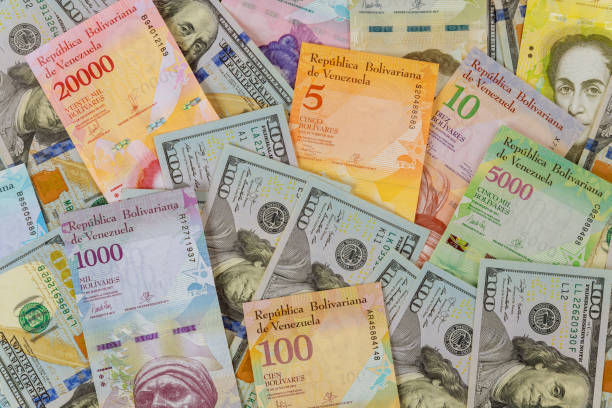
Let’s talk about money in Venezuela, might sound easy… but traveling to this South American country means navigating a unique and sometimes challenging financial landscape. Due to high inflation, currency controls, and a mixed use of foreign currencies, knowing how to manage money — from cash and cards to exchanging USD — can make or break your trip.
Our team of local experts at XploreVenezuela.com has created this practical and easy-to-follow guide to help you confidently manage money while traveling or living in Venezuela. From understanding the local currency and exchange rates to navigating payment methods, budgeting tips, and safety considerations, we cover everything you need to know. Whether you’re a first-time visitor or planning a longer stay, this guide will help you make informed financial decisions, avoid common mistakes, and handle everyday transactions with clarity and confidence.
The Currency You’ll Encounter
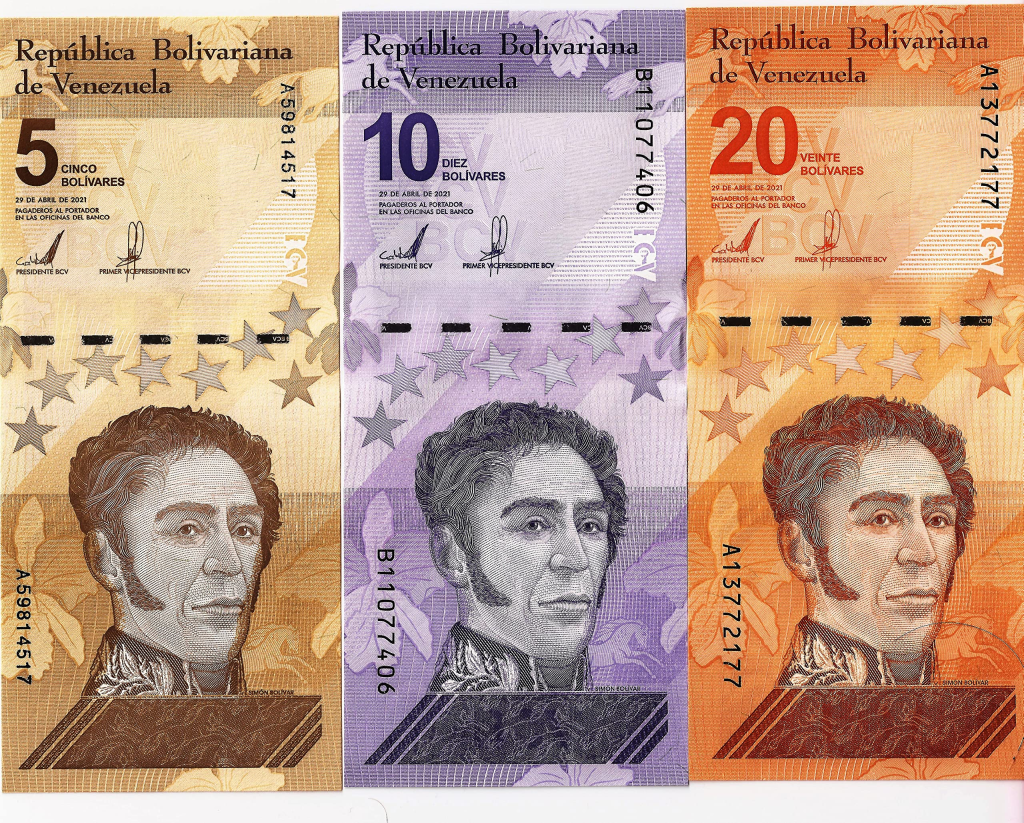
Venezuelan Bolívar (Bs)
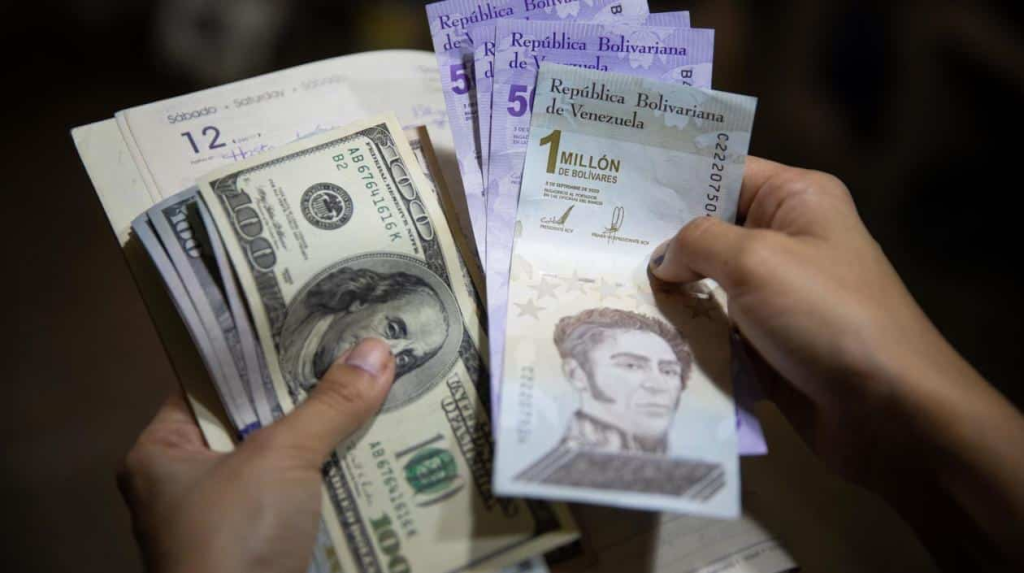
The official currency of Venezuela is the Venezuelan bolívar soberano (Bs), sometimes referred to as Bolívar Digital. Although it is the legal tender, hyperinflation has greatly reduced its practical usefulness in daily transactions for both locals and visitors.
- Small denominations are often useless — many transactions round prices or use foreign currency instead.
- Coins are rarely used due to negligible value.
US Dollars (USD) — The Dominant Cash
In practice, US dollars are widely accepted in Venezuela. Many shops, services, restaurants, and hotels price goods in USD and prefer payment in small denomination bills.
- Carry small USD bills — $1, $5, $10 — because vendors often lack change.
- Euros or other foreign currencies are far less common and may be exchanged at worse rates.
Cards — Limited but Useful in Some Places
International credit and debit cards are not widely reliable in Venezuela:
- Acceptance is inconsistent — cards might work in major cities and larger businesses, but even then, terminals can be unreliable.
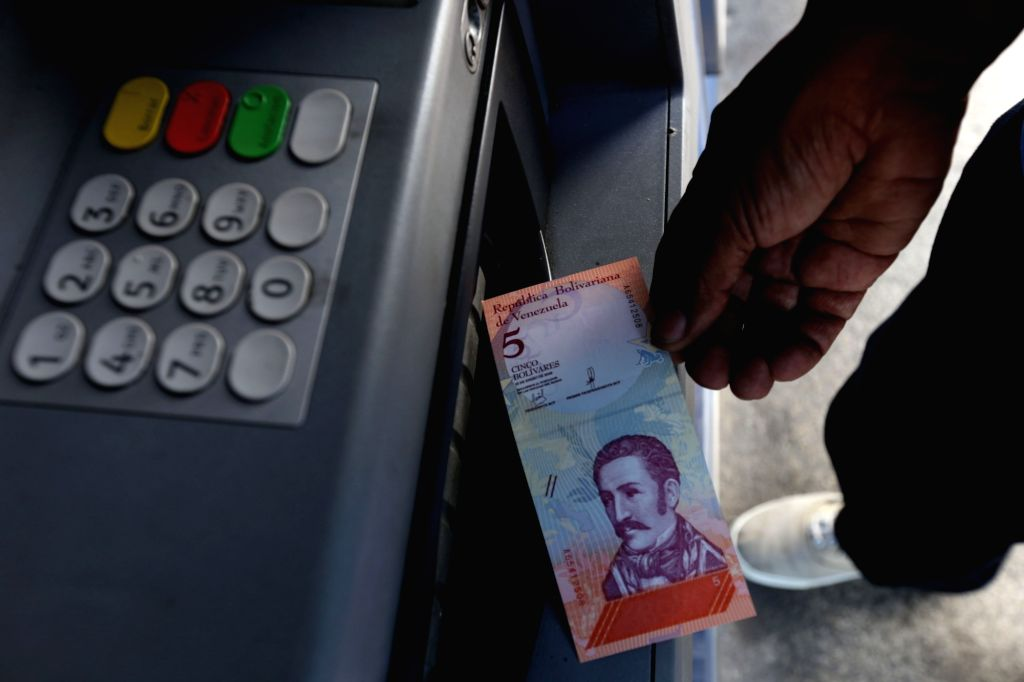
- ATMs often dispense Bolívares at unfavorable rates, or don’t work at all.
- Always notify your bank about travel plans to avoid blocks on your card.
Tips for Using Cards
- Use cards primarily as a backup for emergencies.
- Avoid dynamic currency conversion (DCC) if prompted — choosing local currency usually gives a better rate.
- Some multi-currency travel cards (like Wise or Revolut) offer transparent exchange rates and lower fees — useful for online purchases or emergencies.
Cash is King — Especially USD
Why Cash Still Matters
Despite digital banking and cards, cash remains essential in Venezuela:
- Many small vendors and local businesses don’t accept cards at all.
- ATMs can be out of service or empty, especially outside major cities.
- Bills in large denominations can be hard to break because locals don’t have small change.
Traveler tips:
- Bring enough USD cash for most of your expenses.
- Store money securely in a money belt or safe wallet.
- Split your cash in different spots to reduce risk of theft or loss.
Exchanging Money
Where to Exchange
- Authorized exchange houses (casas de cambio) — safer and more legitimate rates.
- Banks — if they offer foreign exchange services, though availability varies.
- Hotels — convenient but often less favorable rates.
–> Avoid informal, street exchanges — risk of scams, counterfeit money, and legal issues.
Official vs Parallel Exchange Rates
Venezuela has both official and parallel (unofficial) exchange rates due to currency controls. The parallel rate (often much better) is what most locals use, but official channels might offer far weaker rates.
Best practice:
- Exchange only what you need soon.
- Compare rates before making big exchanges.
Practical Money-Saving Tips
Budgeting in Venezuela
- Plan ahead: Bring more cash than you think you’ll need for daily expenses.
- Use local recommendations: Ask hotel staff or locals where to get the best exchange rates.
- Carry exact small USD bills: Helps when vendors can’t provide change.
Safety Tips
- Count money discreetly and avoid showing large sums in public.
- Conduct exchanges in well-lit, safe places — ideally banks or reputable casas de cambio.
Summary: What You Should Do
- Bring ample USD cash in small denominations.
- Use cards primarily as backup.
- Exchange money with authorized providers only.
- Stay safe — blend in and avoid overt displays of cash.
Understanding how money works in Venezuela before you travel can save you stress, fees, and confusion. With the right preparation and local awareness, you’ll be ready to handle every payment situation with confidence.