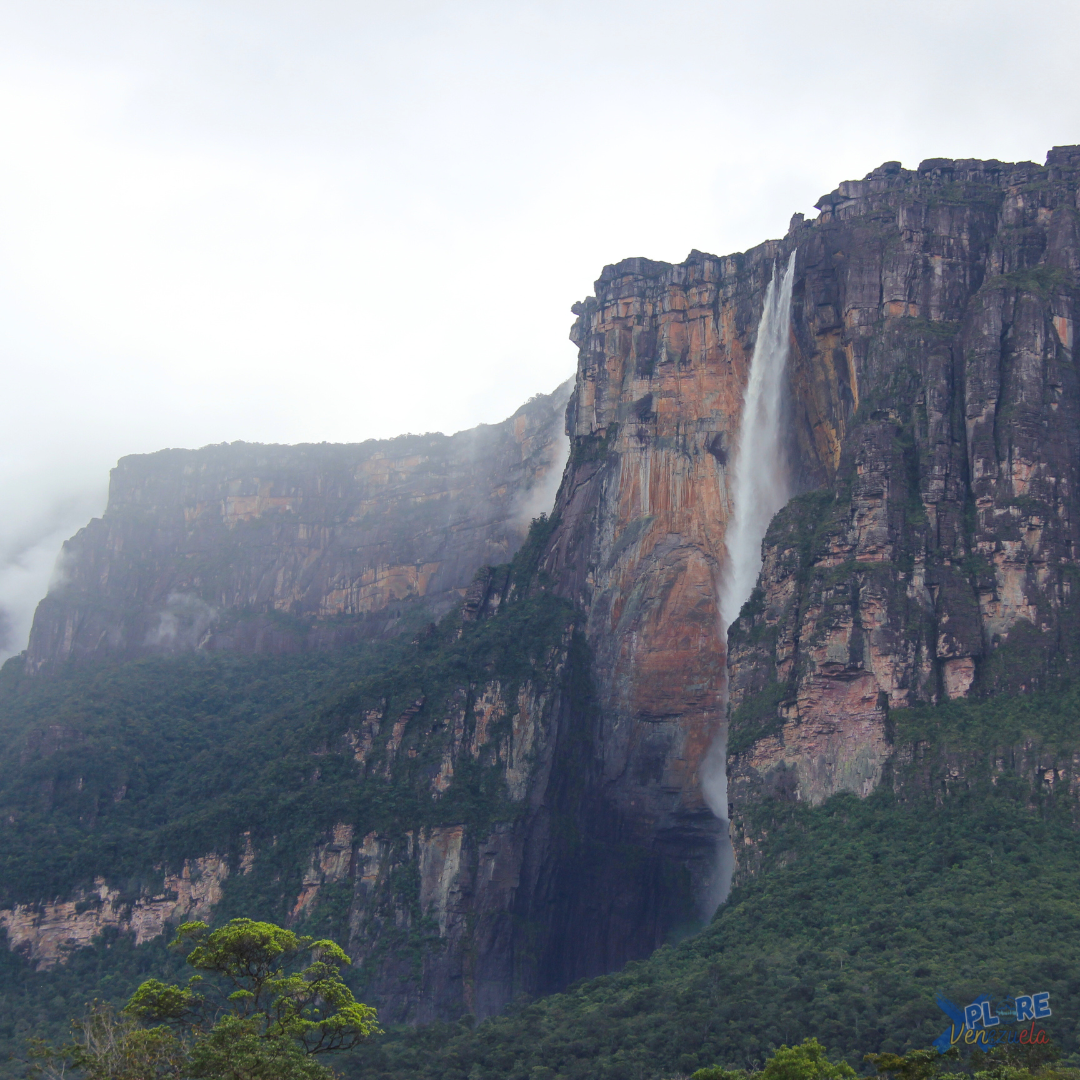
Whether you’re dreaming of Caribbean beaches, powerful waterfalls, ancient tepuis, or cool Andes mountains, planning ahead makes a big difference. This Plan Your Visit guide brings together the essentials you need to explore Venezuela with more confidence, fewer surprises, and better expectations.
Venezuela may not be a large country, but the diversity is incredible. In one trip, you can experience islands, deserts, rainforests, plains, and mountains — each region with its own rhythm, climate, and culture.
When Is the Best Time to Visit Venezuela?
Venezuela sits close to the equator, so temperatures stay fairly consistent year-round. What really changes is rainfall.
Main Seasons
Dry Season (December to April)
- Best overall weather for most travelers
- Ideal for beaches, cities, hiking, and road trips
- Peak season with higher prices and more visitors
Rainy Season (May to November)
- Lush landscapes and dramatic waterfalls
- Best time for Angel Falls and jungle scenery
- Afternoon showers are common; travel to remote areas may take longer
Regional Weather Notes
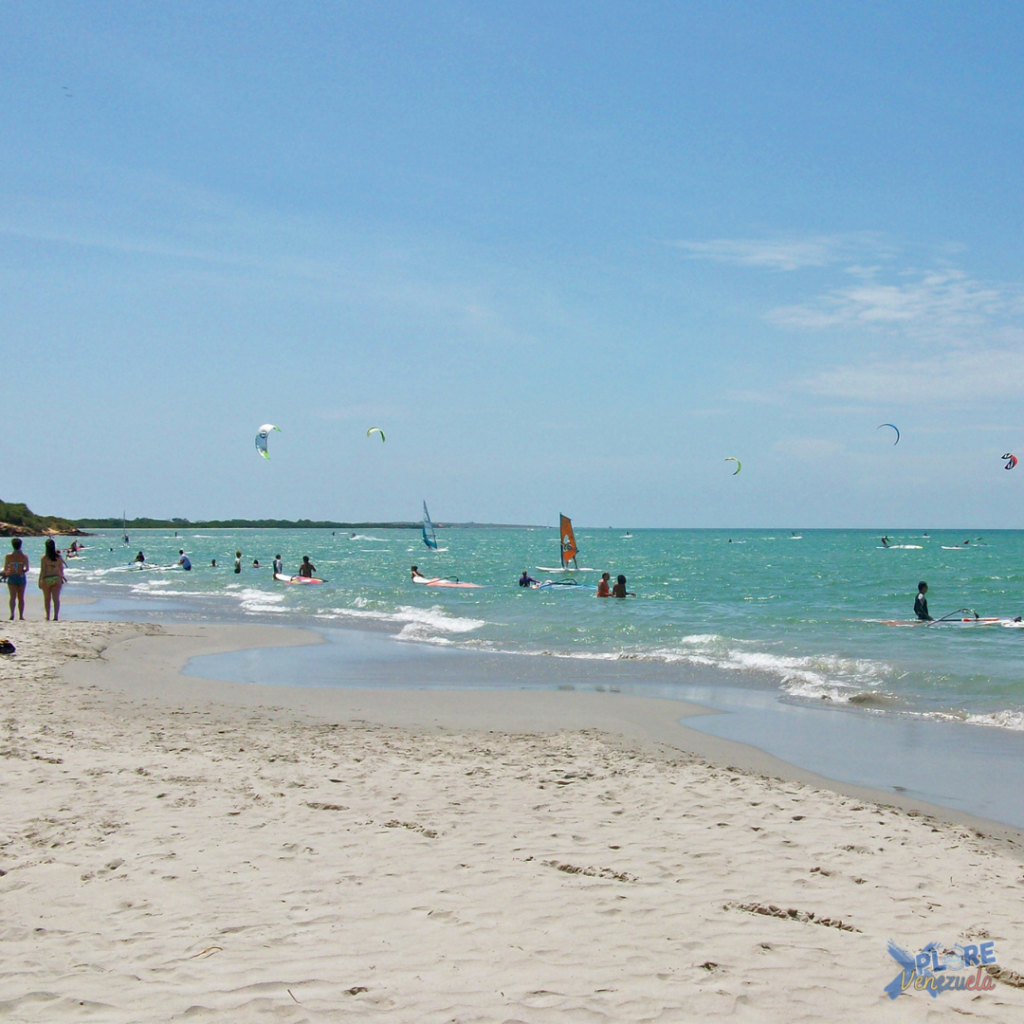
- Caribbean Coast & Islands: Best December–April
- Andes (Mérida): Cooler temperatures year-round; dry months are most comfortable
- Gran Sabana & Canaima: Rainier, but landscapes are most vibrant after rains
- Llanos: Wildlife viewing improves during wetter months
Festivals & Cultural Highlights
Venezuela’s calendar is full of music, traditions, and celebrations that blend Indigenous, African, and Spanish influences.
Key events to know:
- Carnaval (Feb–Mar): Nationwide celebrations; El Callao is especially famous
- Feria del Sol (Feb–Mar): Mérida’s biggest festival
- Semana Santa (Mar/Apr): Religious processions across the country
- Fiesta de San Juan (June): Drumming and dancing along the Caribbean coast
- Independence Day (July 5): Parades and national celebrations
- Feria de la Chinita (Nov): Major cultural event in Maracaibo
- December: Christmas traditions and holiday festivities
Visa & Entry Basics
Visa requirements depend on your nationality, and rules can change. Always check with a Venezuelan embassy or consulate before booking.
General tips:
- Passport usually must be valid for at least six months
- Immigration may ask for onward travel and accommodation details
- Keep digital and printed copies of important documents
Safety & Travel Awareness
Travel in Venezuela requires preparation and awareness. Staying informed and planning carefully makes a big difference.
- Stick to well-known areas and avoid isolated places, especially at night
- Use hotel-recommended transport or private drivers
- Avoid flashy accessories and keep valuables discreet
- Carry copies of documents separately from originals
- Consider travel insurance that covers medical care and emergencies
Currency & Payments
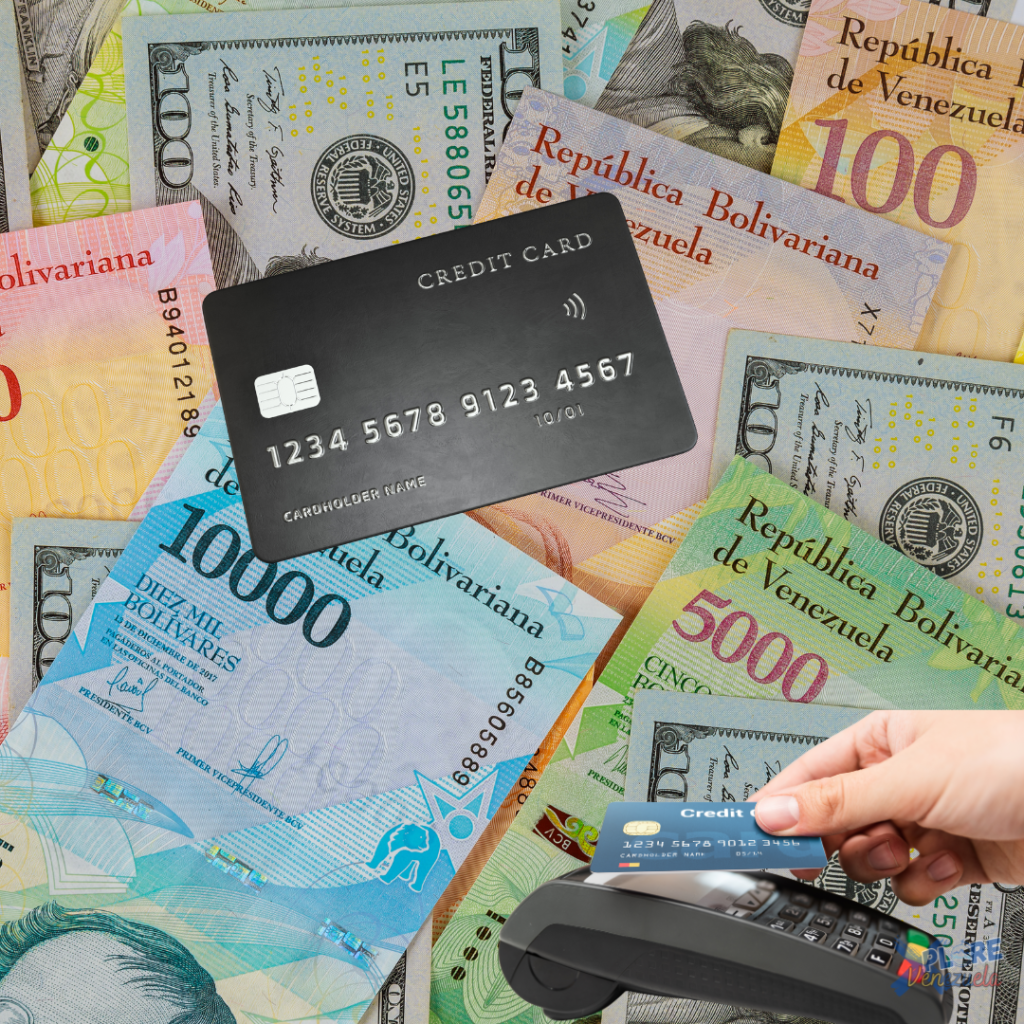
- The official currency is the Venezuelan Bolívar (VES)
- US dollars are widely accepted in many tourist areas
- Cash is essential; ATMs and card payments can be unreliable
Money tips:
- Bring small USD bills
- Exchange gradually, not all at once
- Avoid street currency exchanges
Transportation Inside Venezuela
Getting around takes planning:
- Domestic flights: Useful for long distances
- Taxis & drivers: Pre-arranged or hotel-recommended options are safest
- Rental cars: Possible, but road conditions and fuel availability vary
- Public transport: Exists but is not recommended for most travelers
Hiring a local guide or driver often makes travel easier and safer.
Internet & SIM Cards
Staying connected is possible, but planning ahead helps.
- eSIM (recommended): Buy online before traveling; instant activation. Perfect for short visits
- Physical SIM: Available locally from Movistar or Digitel; requires ID. Perfect for long visit
Expect 4G/LTE in major cities, slower speeds in rural areas, and occasional outages. Always download maps and key info offline. Try keeping important info or even maps on the Cloud, Dropbox or something similar.
What to Pack
Pack based on your route and season:
- Lightweight, breathable clothing
- Rain jacket and sun protection
- Comfortable walking shoes
- Insect repellent and basic first-aid items
- Warm layers for the Andes
- Copies of documents and offline backups
For remote regions, add flashlights, extra batteries, and water solutions.
Final Travel Advice
The best overall travel window for Venezuela is December to April, but every season has its highlights. With realistic expectations, solid planning, and local awareness, Venezuela offers unforgettable landscapes, rich culture, and experiences found nowhere else.
Use this Plan Your Visit page as your starting point, then explore our destination guides, regional tips, and itineraries to build your perfect trip.