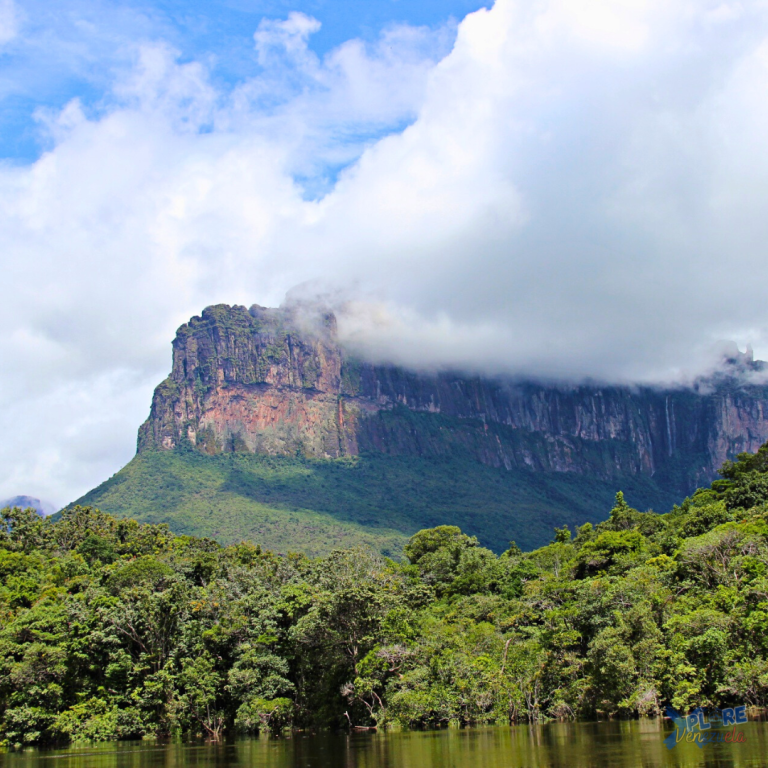
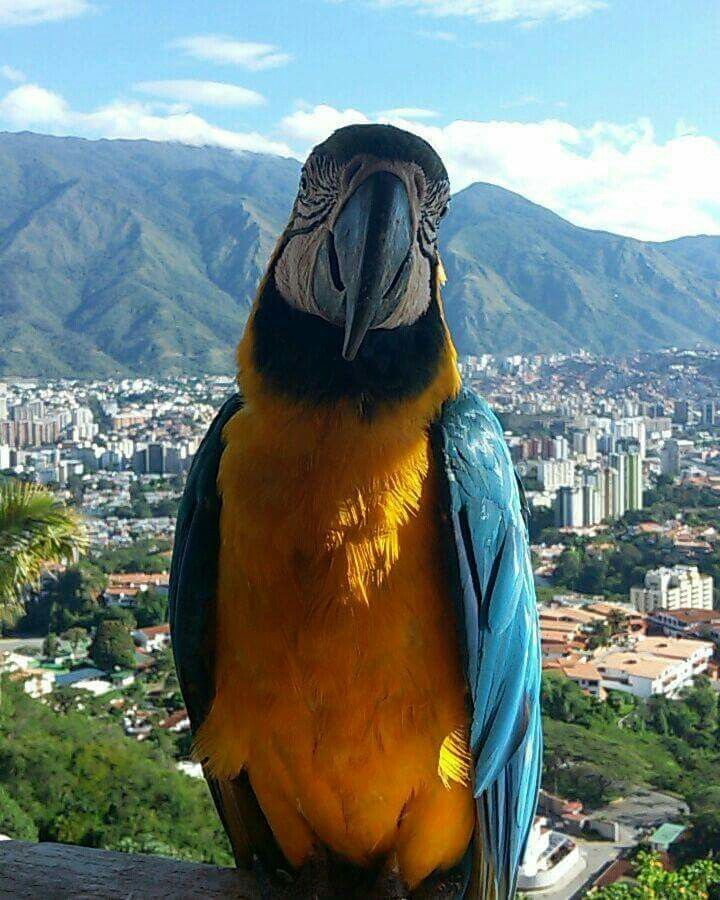
Birdwatching in Venezuela: Venezuela is one of South America’s most underrated birdwatching destinations. With its extraordinary range of ecosystems, including tropical rainforests, cloud forests, wetlands, savannas, mangroves, mountains, and Caribbean islands, the country offers some of the richest bird diversity in the world. For birdwatchers and nature lovers, Venezuela is a true paradise where hundreds of resident and migratory species can be observed throughout the year.
From the misty forests of the Andes to the vast plains of Los Llanos and the remote tepuis of the Guiana Highlands, Venezuela’s varied landscapes create ideal habitats for more than 1,300 bird species. Whether you are an experienced birder hoping to add rare species to your life list or a casual traveler looking to enjoy nature, Venezuela provides unforgettable opportunities for birdwatching.
At XploreVenezuela.com, our team of experienced travelers and nature enthusiasts has created this comprehensive guide to help you discover Venezuela’s incredible birdlife. In this article, we explore the country’s top birdwatching destinations, from lush cloud forests and vast savannas to coastal wetlands and national parks. You’ll also learn about the unique bird species that make each location special, including colorful endemic birds, migratory visitors, and some of South America’s most sought-after avian treasures. Whether you are a beginner or an experienced birder, Venezuela offers unforgettable opportunities to connect with nature and observe remarkable wildlife.
Why Venezuela Is a Birdwatcher’s Paradise
Few countries in the Americas can rival Venezuela’s avian diversity. The country’s strategic location at the northern tip of South America, combined with its remarkable variety of habitats, has created ideal conditions for birdlife.
Birdwatchers can encounter:
- Colorful macaws and parrots
- Toucans and trogons
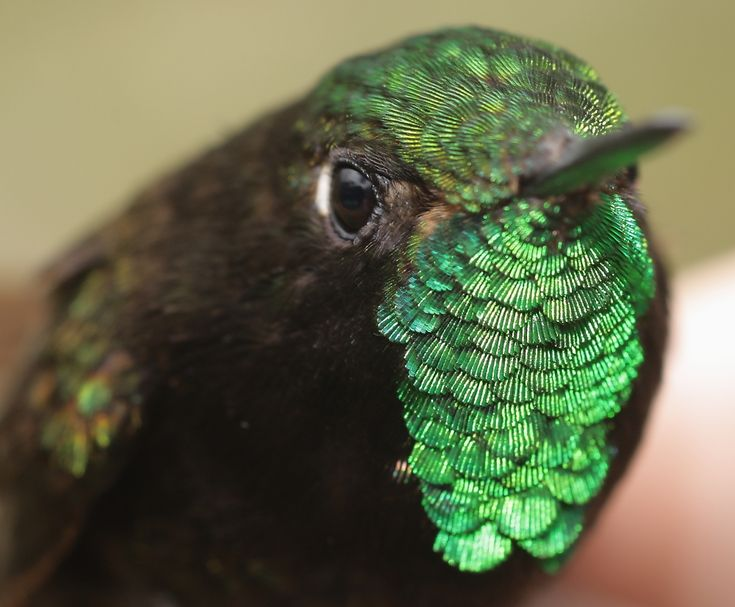
- Hummingbirds
- Herons and flamingos
- Birds of prey
- Endemic Venezuelan species
- Migratory birds from North America
Many areas remain relatively unexplored compared to neighboring birding hotspots, giving visitors the chance to enjoy pristine natural environments without large crowds.
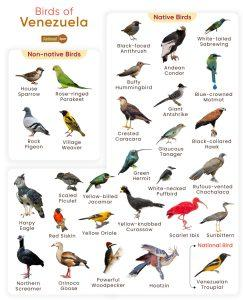
Henri Pittier National Park
When discussing birdwatching in Venezuela, Henri Pittier National Park is often the first destination that comes to mind. Located in Aragua State, it is widely regarded as the country’s premier birdwatching location.
The park contains an incredible variety of habitats, ranging from coastal forests to cloud forests at higher elevations. More than 500 bird species have been recorded here, with some estimates exceeding 580 species. The park also serves as an important migration corridor for birds traveling between North and South America. ()

Species to Look For
- Venezuelan Troupial
- Military Macaw
- Harpy Eagle
- White-tailed Trogon
- Numerous hummingbird species
- Black-faced Antthrush
The famous Rancho Grande Biological Station is one of the best places within the park to begin a birdwatching excursion.
Best Time to Visit
October through April is particularly rewarding due to migratory bird activity.
Los Llanos
The vast grasslands of Los Llanos represent one of the most productive wildlife regions in South America. During the dry season, wildlife congregates around shrinking water sources, creating exceptional birdwatching opportunities.
Private wildlife reserves and cattle ranches known as “hatos” have become internationally recognized birding destinations. Birders regularly visit locations such as Hato Piñero and Hato Cedral, which are considered among the top birding sites in Venezuela. ()
Species to Look For
- Scarlet Ibis
- Jabiru Stork
- Orinoco Goose
- Sunbittern
- Hoatzin
- Various herons and egrets
- Snail Kite
Birdwatchers can often combine birding with sightings of capybaras, giant anteaters, caimans, and anacondas.
Best Time to Visit
December through April, during the dry season.
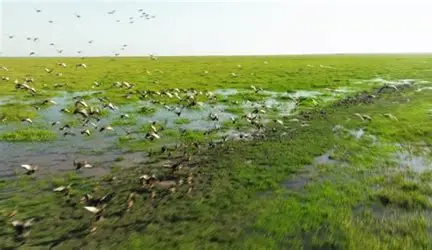
Cuare Wildlife Refuge
Located in Falcón State, Cuare Wildlife Refuge is one of Venezuela’s most important coastal wetlands. The refuge supports extensive mangrove forests, lagoons, mudflats, and estuaries.
More than 280 bird species have been recorded in the area, making it one of the country’s premier coastal birdwatching destinations. ()
Species to Look For
- Scarlet Ibis
- American Flamingo
- Roseate Spoonbill
- Brown Pelican
- Magnificent Frigatebird
- Various shorebirds and migratory species
The refuge is especially popular with photographers due to the spectacular colors of flamingos and scarlet ibises against the mangrove backdrop.
Orinoco Delta
The Orinoco Delta is one of Venezuela’s most unique ecosystems. This vast network of waterways, mangrove forests, and wetlands creates ideal conditions for numerous bird species.
The region is home to indigenous Warao communities and offers visitors a chance to experience both wildlife and local culture.
Species to Look For
- Scarlet Ibis
- Hoatzin
- Kingfishers
- Herons
- Egrets
- Various parrots and macaws
The wetlands and tropical forests make the delta one of the richest birdwatching destinations in Venezuela. ()
Best Time to Visit
January through May generally provides easier access and better viewing conditions.
Sierra de Perijá National Park
Located along the border with Colombia, Sierra de Perijá National Park remains one of Venezuela’s most remote and exciting birding destinations.
The isolated mountain range has allowed unique species to evolve, resulting in several endemic birds found nowhere else on Earth. More than 300 bird species have been recorded in the park. ()
Species to Look For
- Andean Condor
- Golden-headed Quetzal
- Perijá Metaltail
- Perijá Brushfinch
- Perijá Thistletail
For serious birdwatchers seeking rare and endemic species, few places in Venezuela can compete with Sierra de Perijá.
The Venezuelan Andes
The Andes region offers a completely different birdwatching experience compared to the tropical lowlands.
Cooler temperatures and mountainous habitats support many high-altitude species not found elsewhere in the country.
Top Birding Areas
- La Mucuy
- Humboldt Trail
- Yacambú National Park
These locations are recognized among Venezuela’s premier birding sites. ()
Species to Look For
- Andean Cock-of-the-rock
- Mountain Tanagers
- Sword-billed Hummingbird
- Andean Guan
- Various high-elevation hummingbirds
Early mornings often provide the best bird activity and photography opportunities.
Morrocoy National Park and Coastal Wetlands
Morrocoy National Park is famous for its beaches and coral reefs, but it is also a fantastic location for birdwatching.
Nearby wetlands and coastal ecosystems attract a wide variety of seabirds and wading birds.
Species to Look For
- Flamingos
- Pelicans
- Herons
- Ospreys
- Frigatebirds
- Terns
The combination of marine scenery and birdlife makes Morrocoy an excellent destination for nature lovers.
Cerro El Copey National Park
Located on Margarita Island, Cerro El Copey National Park provides a surprising contrast to the island’s dry coastal environment.
The park’s higher elevations support forests and grasslands that have earned recognition as an Important Bird Area. ()
Species to Look For
- Endemic island birds
- Hummingbirds
- Flycatchers
- Tropical songbirds
Visitors can combine birdwatching with a beach holiday, making Margarita Island a unique destination for eco-tourism.
Birdwatching Tips for Venezuela
Bring Quality Optics
A good pair of binoculars is essential. A spotting scope can also be useful for wetlands and coastal areas.
Start Early
Most bird activity occurs between sunrise and mid-morning. Early starts significantly increase your chances of observing rare species.
Hire Local Guides
Experienced local guides can identify bird calls, locate difficult species, and provide valuable insights into local ecosystems.
Dress Appropriately
Wear lightweight clothing in tropical regions and warmer layers for mountain birding locations.
Respect Wildlife
Avoid disturbing nesting birds and maintain a safe distance from wildlife.
Best Time for Birdwatching in Venezuela
Birdwatching is possible year-round in Venezuela, but the best months generally fall between November and April. During this period:
- Migratory birds arrive from North America.
- Weather conditions are often more stable.
- Roads and trails are easier to access.
- Wildlife is easier to observe in many regions.
However, every season offers unique opportunities depending on the location and target species.
Final Thoughts
Birdwatching in Venezuela offers an extraordinary experience for nature enthusiasts. The country’s incredible diversity of habitats supports one of the richest bird populations in the Western Hemisphere. From the world-class birding of Henri Pittier National Park to the wetlands of the Orinoco Delta, the grasslands of Los Llanos, and the remote mountains of Sierra de Perijá, Venezuela provides endless opportunities for memorable birdwatching adventures.
For travelers seeking authentic nature experiences away from overcrowded tourist destinations, Venezuela remains one of South America’s most rewarding birdwatching frontiers. Whether your goal is photographing scarlet ibises, spotting a rare hummingbird, or simply enjoying the sounds of tropical forests at dawn, Venezuela delivers unforgettable encounters with nature at its finest.